


The Living Nervous System
Somatic Training for Therapists
When the treatment is right, but the client still isn’t changing.
A two-day immersive clinical training exploring how nervous-system state influences pain, regulation, emotional processing, treatment response and therapeutic progress.
Learn to recognize the state your client is in, understand what that state may require, and adapt your clinical approach accordingly.
STABILIZE → PROCESS → INTEGRATE
With Elias Abdel Ahad, Physiotherapist + Osteopath
OCTOBER 23 + 24, 2026
Hotel Victoria, Toronto
10:00 - 6:00 pm
When Good Clinical Work Isn’t Creating Lasting Change
Sometimes the assessment is sound, the intervention is appropriate, and the client is engaged, yet progress stalls.
For a psychotherapist, this may look like a client who understands their patterns but continues to move into overwhelm, mobilization, shutdown or disconnection.
For a physiotherapist, it may be persistent pain, guarding, treatment sensitivity or a plateau that isn’t fully explained by structural findings.
For an osteopath or manual practitioner, meaningful structural changes may occur, yet the same patterns repeatedly return or fail to hold.
Different disciplines. Different presentations. A shared clinical question:
What state is this client’s nervous system in, and what does it need right now to create sustainable and positive change?
The Living Nervous System explores how nervous-system state interacts with psychological process, pain, fascia and treatment response, helping practitioners understand not only what they are treating, but how and when to intervene.
What This Changes in Practice
-
Recognize mobilization, shutdown and defensive nervous-system states as they emerge clinically
-
Understand when regulation may need to precede deeper psychological or physical intervention
-
Recognize nervous-system patterns that may contribute to persistent pain, treatment sensitivity or stalled therapeutic progress
-
Understand how autonomic state can influence emotional processing, pain, movement and treatment response
-
Adapt clinical interventions as the client’s physiological state changes
-
Explore the relationship between the vagus nerve, autonomic regulation, fascia and psychological experience
-
Integrate body awareness and nervous-system principles into existing clinical practice
-
Explore clinically appropriate, consent-based hands-on work within a trauma-informed framework
-
Develop a more integrated understanding of the relationship between brain, body and psychological process
This is a two-day, in-person, experiential training from 10 AM to 6 PM each day.
Participants can expect:
Nervous-system assessment and state recognition
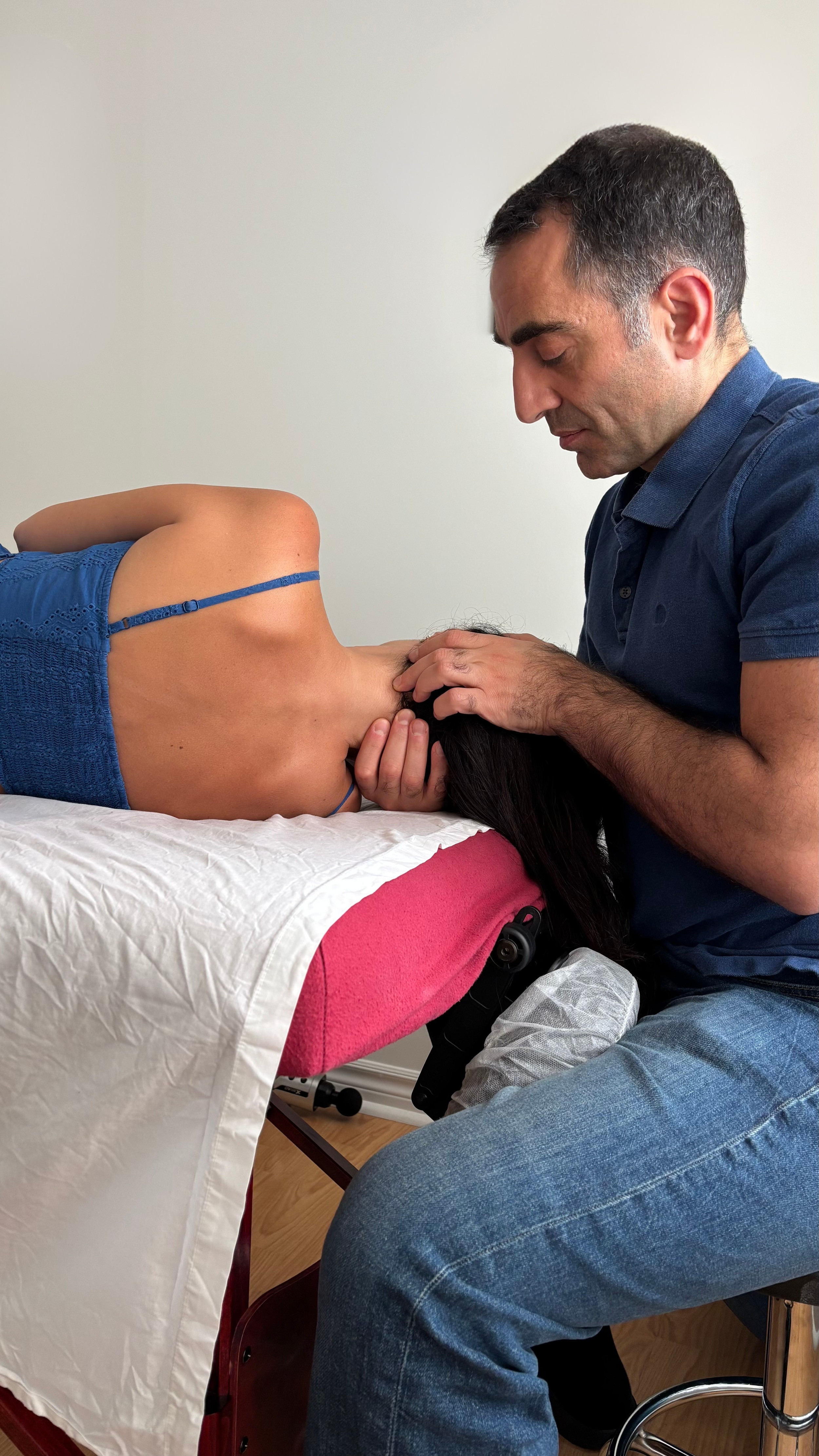
Hands-on experiential integration of the knowledge
Brain- and fascial-focused techniques
Body-based integration practices
Practical application of the Triphasic Model
Interactive clinical discussion and case-based inquiry
Interdisciplinary learning applicable across psychotherapy, physiotherapy, osteopathy and other healthcare practices
Professional-level education grounded in over 30 years of clinical experience, taught by Elias Abdel Ahad, a physiotherapist and osteopath, specialized in anthroposophy
This training combines brain, fascia, and nervous system releases and support for clinical integration.

What Past Students Have Said

THE TRIPHASIC MODEL
Stabilize → Process → Integrate
Not every nervous system is ready for the same intervention at the same time.
The Triphasic Model helps practitioners recognize the functional state a client is currently moving through and understand how that state may influence regulation, emotional processing, pain and therapeutic change.
Before asking, “Which technique should I use?” learn to ask:
“What state is this client’s nervous system in, and what does it need right now?”
Who It’s For
Built for Clinicians Working Where Physiology and Psychology Meet
-
Psychotherapists + Counsellors
You work with clients who understand their patterns intellectually but continue to experience dysregulation, shutdown, mobilization or difficulty moving into deeper processing.
-
Physiotherapists
Your clinical reasoning is sound, yet pain persists, progress plateaus or sensitive clients repeatedly flare. You want to better understand how nervous-system state may influence pain, movement, guarding and treatment tolerance.
-
Osteopaths + Manual Practitioners
You create meaningful structural change, but certain patterns repeatedly return or don’t hold. You want to understand how autonomic state, fascia and the brain may be influencing the presentation beneath your hands.
-
Craniosacral Therapists
You work with subtle systems and often recognize patterns that extend beyond structure alone. You want a deeper understanding of how brain regions, fascia and nervous system state may shape what you feel and observe through the tissues.
-
Functional Medicine Practitioners
You see clients whose symptoms may be influenced by chronic stress, dysregulation and persistent nervous system patterns. You want practical, body-based approaches that help connect physiology, trauma and nervous system state within a broader clinical picture.
-
Somatic + Integrative Practitioners
You already work with the relationship between body, emotion and nervous system state, but want to move beyond generalized regulation tools. You’re looking to deepen your understanding of brain-based, fascial and psychosomatic patterns through a trauma-informed, integrative lens.
Professional Discount
Registered Psychotherapists + Social Workers receive 35% off this training
To access the professional rate, email a copy of your certification or proof of professional designation to admin@torontolymphaticacademy.com. Once your credentials have been verified, our team will send you a private discount code to use when registering.
-
The Living Nervous System doesn’t teach a single nervous-system technique or generalized regulation protocol. Elias’s integration of the Triphasic Model - Stabilize, Process, Integrate - provides a clinical framework for recognizing nervous-system state and adapting intervention accordingly.
The training brings together psychological process, autonomic regulation, brain function, fascia and body-based clinical work, allowing practitioners from different disciplines to understand the same client through a more integrated lens.
-
Yes. The presentation slides will be shared with students after the training for continued reference. We recommend bringing a laptop or notepad so you can take notes throughout the day.
-
Yes. This is an experiential training that includes guided body-based and hands-on learning.
For psychotherapists and clinicians who do not primarily practise manual therapy, the intention is not to train you to become a bodyworker. The course explores body awareness and clinically appropriate, consent-based touch within a nervous-system-informed framework, with consideration for therapeutic purpose, client state, boundaries and professional scope.
Participants are responsible for practising within their individual scope, competence and regulatory requirements.
-
No formal prerequisites. However, this workshop is designed for healthcare and mental healthcare practitioners and professionals working with the nervous system, trauma, or body-based therapies.
-
Yes. A certificate of completion will be provided.
About Your Facilitator
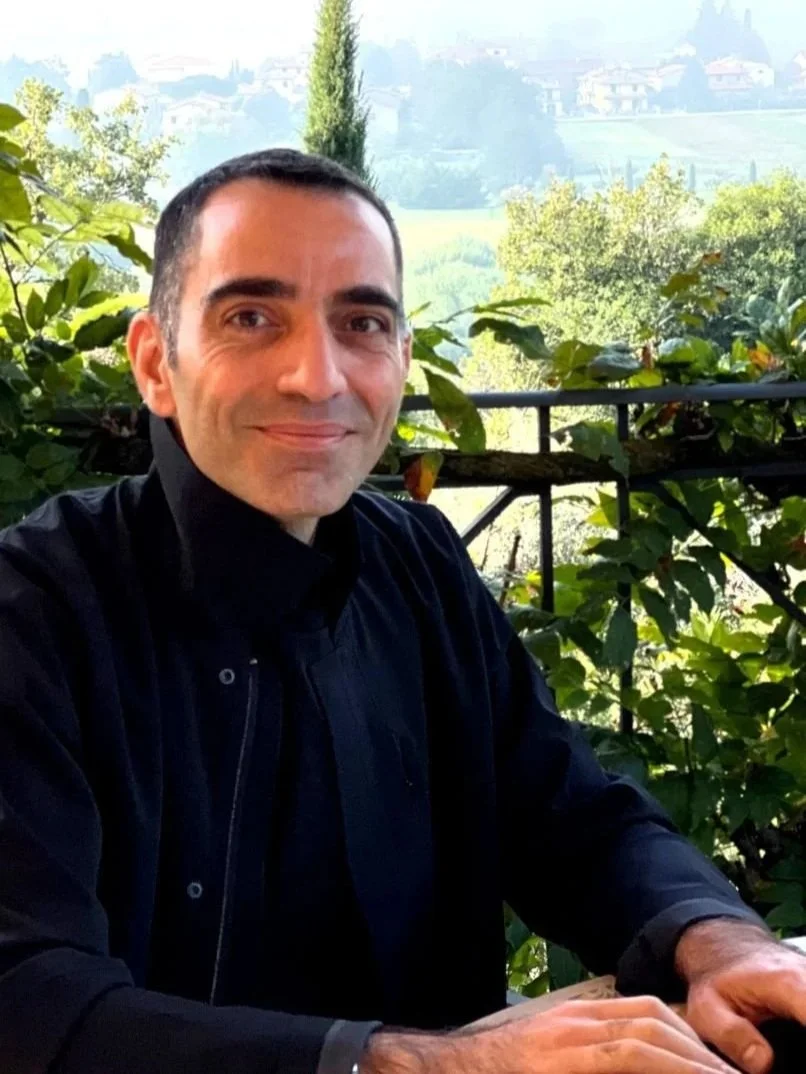
Elias Abdel Ahad, Physiotherapist + Osteopath
Elias Abdel Ahad is a manual osteopath and holistic therapist with over 30 years of international clinical experience. Originally from Lebanon, he has pursued extensive training in Physiotherapy, Osteopathy, Functional Medicine, Cranio-Sacral Therapy, Hypnotherapy, Reiki, Relational Psychosomatic Therapy, and Anthroposophic Psychology. He is among only four practitioners in Canada with advanced training in Anthroposophic Therapy, reflecting his specialization in integrating body, spirit, and mind for deep trauma recovery and psychosomatic awareness.
Elias co-founded the Psychosomatic Trauma Initiative (PSTI) in Toronto, a pioneering clinic dedicated to trauma-informed care, and has facilitated professional workshops across Europe, the Middle East, and the Americas. He is a board member and a lecturer at the National Academy of Osteopathy in Toronto, where he teaches his method, SomaSofia, and serves as a guest speaker at the University of Toronto. His work focuses on helping clients release deep trauma patterns and reconnect with resilience.
Elias is also a member of the Canadian Counselling and Psychotherapy Association (CCPA) and the National Manual Osteopathic Society (NMOS).
Bring the Nervous System Into the Clinical Conversation
Join Elias Abdel Ahad for two immersive days exploring how nervous-system state can change the way we understand pain, trauma, regulation, processing and treatment response.
Prerequisite
None. This course is open to practitioners and professionals seeking deeper trauma integration tools.
Content Delivery
In person at Hotel Victoria, 56 Yonge St, Toronto
PAYMENT METHODS

Date: October 23 - 24, 2026
Time: 10am - 6pm
Location: Hotel Victoria, Toronto
About This Course
A two-day professional training combining brain-focused release techniques, fascia-based trauma work, psychosomatic integration, and embodied nervous system practices.
PROFESSIONAL DISCOUNT
Registered Psychotherapists + Social Workers receive 35% off this training.
To access the professional rate, email a copy of your certification or proof of professional designation to admin@torontolymphaticacademy.com. Once your credentials have been verified, our team will send you a private discount code to use when registering.
PAYMENT PLANS
Flexible payment options are available through Klarna at checkout. Simply select Klarna to view the payment options available to you. Eligibility, payment terms, and any applicable interest are determined by Klarna.