

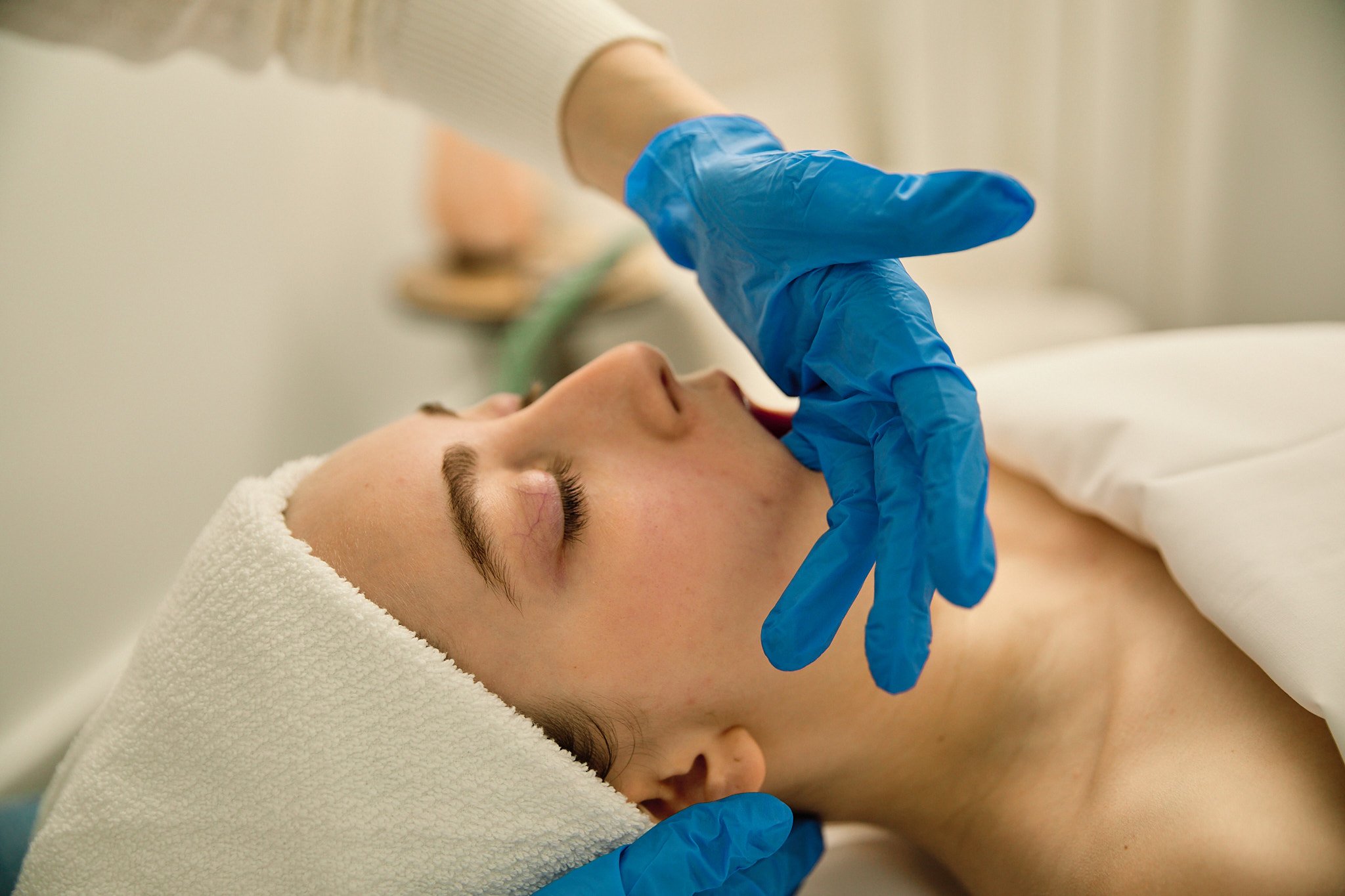

Go Deeper with Our Functional Lymphatic Drainage Course
Learn to clear adhesions, work with fluid dynamics, and safely access your clients’ deep lymph in one day of hands-on training. It builds on Level 1, and we teach it in downtown Toronto, using the LINFA™ Method.
Why This Training Matters
Some of the people on your table have lived with inflammation or chronic pain for years, and superficial lymphatic drainage is only the first stage of working with them. Learning to work at depth safely adds a specialty to your lymphatic career.
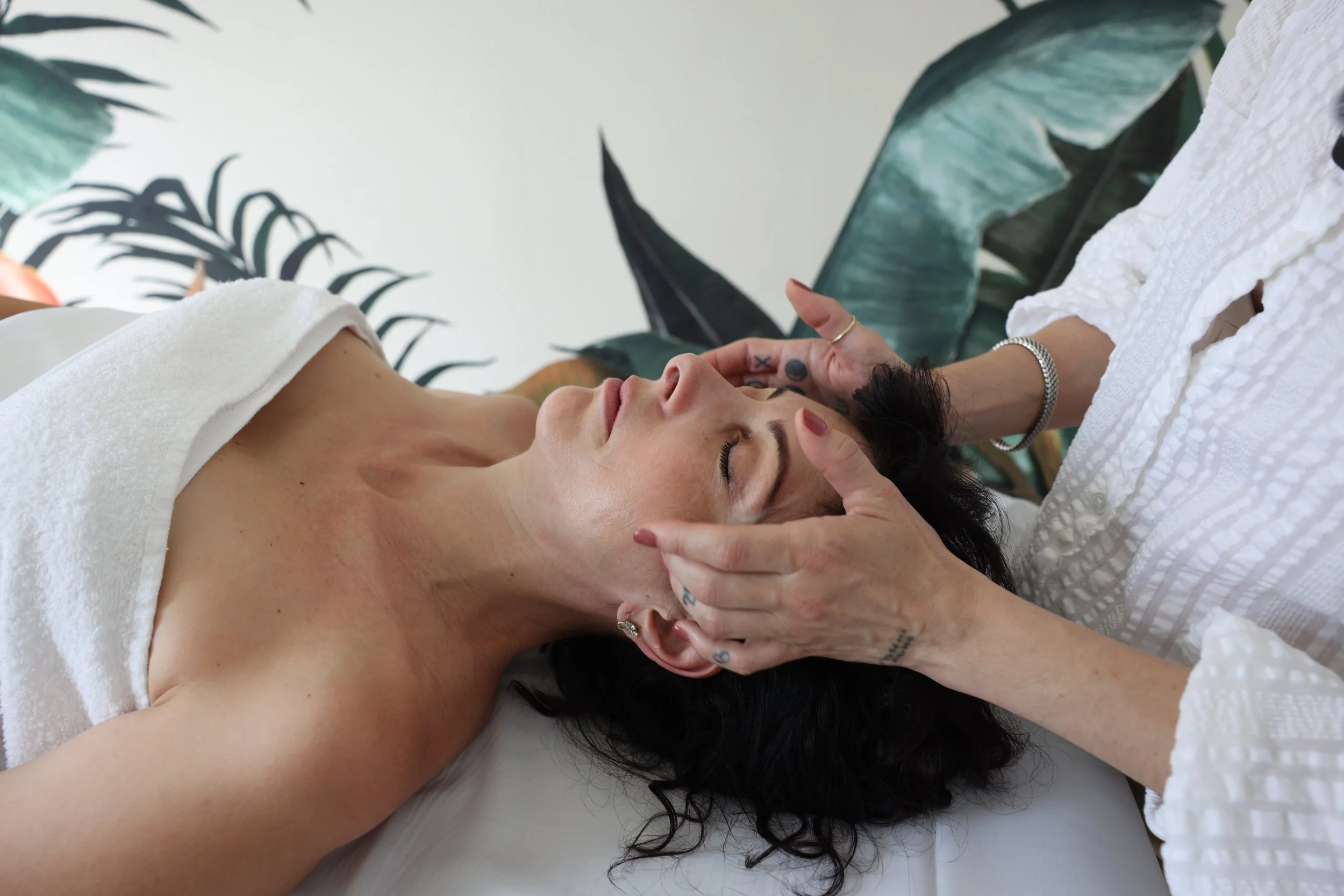
This advanced course teaches you to find where fluid is held up, release those restrictions, and clear the superficial pathways before you work deeper. Each stage is set up to open the lymphatic system responsibly after long periods of inflammation and poor health.
Common challenges our students face:
A client’s swelling or inflammation keeps coming back between sessions.
You can clear superficial lymph, and you want to know what to do when that isn’t enough.
Clients with chronic pain, digestive complaints, or metabolic conditions ask whether lymphatic work can help them.
You want to explain to a referring colleague why deeper work is safe for a particular person.
What You’ll Learn in Functional Lymphatics
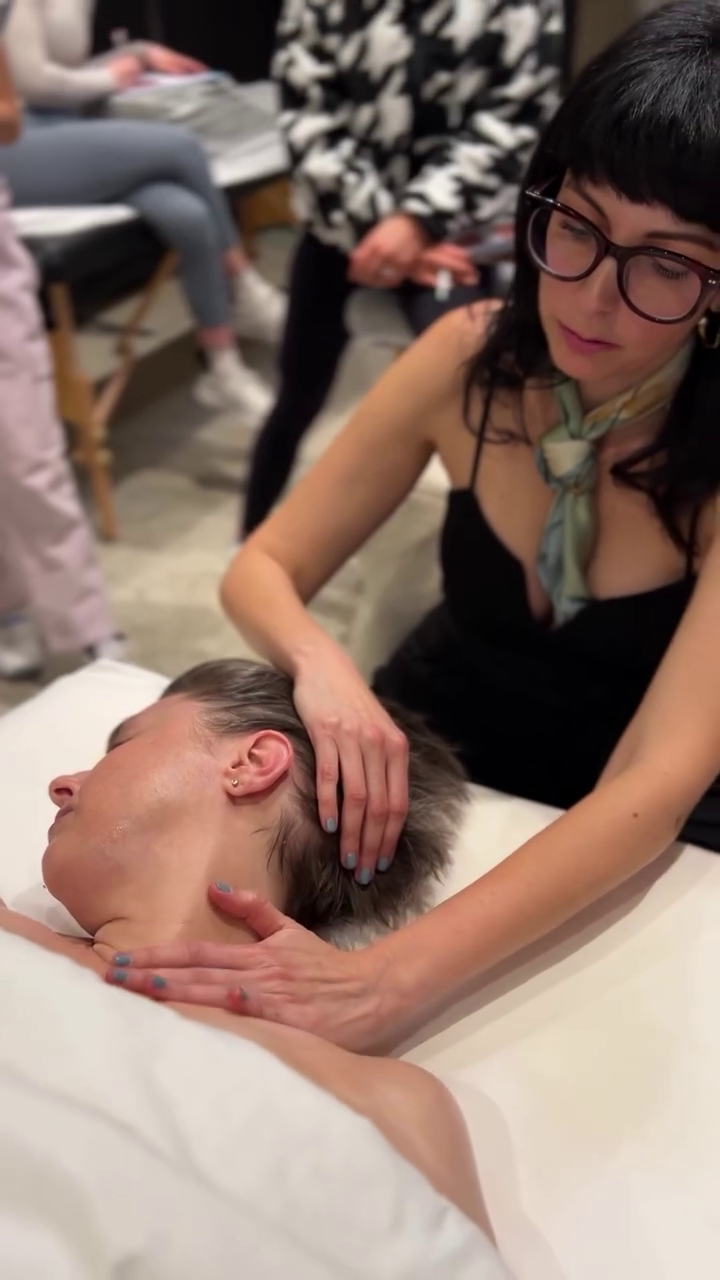
Our one-day advanced course starts with the superficial clearance you learned in Level 1 and moves into deep work. Before any deep technique, you’ll regulate the client’s nervous system, and every step follows the trauma-informed pacing of the LINFA™ Method.
In this hands-on training, you’ll learn:
A clear protocol for superficial lymphatic clearance
Advanced lymphatic drainage with increased pressure to reach fascial and lymphatic restrictions
How to release adhesions that contribute to chronic inflammation, pain, and trapped fluid
How fluid sitting between the cells (interstitial stasis) affects nervous system health and metabolic function
How fluid dynamics drive detoxification, immune function, and tissue health
Why progress can stall when tissue is congested, and how clearing it can help nutrients and other treatments reach the tissue
Emotional regulation, and how to work safely with clients who also see somatic therapists
Along the way, you’ll build an understanding of which people are ready for deep work and which need more superficial clearance first. Your client stays clothed for every step.
What’s Covered Over the Day?
-
Level 1 taught you to move the lymph that sits just under the skin. Here you’ll learn to work with the tissues and organ systems that regulate immunity, digestion, and waste clearance. The module centres on Inflammatory Interstitial Stasis (IIS), which is what happens when fluid and the waste it carries sit between the cells for too long and the tissue becomes inflamed and congested. You’ll learn to recognize the patterns of stagnation and spot them in the clients you already see, especially those with long-term pain, inflammation, or a chronic condition.
-
You’ll learn to work with fascia, the connective tissue that wraps every muscle, organ, and vessel, as a system that fluid passes through. Where it’s hydrated and able to glide, lymph moves freely. Where it’s tight, it holds fluid in place. You’ll also learn how vagal tone, meaning how readily the body settles, and the physiology of trauma affect fluid flow, and why a client’s sense of safety and their diaphragm breathing change how well a session drains.
-
The lymphatic system has no pump of its own, so fluid moves from higher pressure to lower pressure. You’ll learn the pressure laws that govern that movement and why lymphatic work follows a planned sequence rather than force. You’ll learn to open the central exits first, starting with the thoracic duct near the collarbone and the nodes nearest it, so the fluid you release has somewhere to go, and to use the client’s breath to drive it, since each drop of the diaphragm draws lymph upward. Then you’ll learn to sequence organ work for the lungs, spleen, liver, and intestines.
-
You’ll learn to tell two kinds of restriction apart: a structural adhesion, where layers of fascia have stuck together after injury, surgery, or long inflammation, and a biochemical obstruction, where tissue is congested with inflammatory waste and thickened fluid. You’ll learn to clear the pathways in order and to build a client’s physical and nervous system capacity before you move to deeper clearance or organ drainage. Going low and slow here protects clients from a retox reaction, where released waste recirculates faster than the body can clear it.
-
Some of what you feel under your hands as tension, reactivity, or a client who can’t settle has an emotional origin. You’ll learn to recognize those patterns and how long-term stress reduces how well a client drains. You’ll also learn where your scope ends: how to support a client’s regulation during a session without stepping into trauma counselling, and when to refer to a somatic therapist or mental health professional. If you’re ever unsure about a client, you can ask in the mentorship group.
-
You’ll learn a clear roadmap for moving a client from superficial clearing to deeper organ protocols, based on how their tissue responds, whether their body is ready to eliminate what you release, and the state of their nervous system. You’ll learn the landmarks that tell you decongestion is happening, the timing for moving safely from one stage to the next, and case-based sequencing for both structural and emotionally driven presentations. Your instructors demonstrate each protocol, and then you practise giving and receiving it. Everyone stays clothed throughout.
-
Clients can react to lymphatic work in ways that look alike and mean different things, and you’ll learn to tell them apart. A detox reaction is the expected short-term response to clearing. A retox reaction means waste was released faster than the body could handle it. A flare is the client’s underlying condition responding. You’ll learn to respond calmly to each by adjusting the plan, slowing down, and explaining what’s happening in plain language, and to prepare clients for what they may feel and pace their care over the long term, including maintenance.
-
The glymphatic system is the brain’s own waste-clearance system. You’ll learn how it works, what cerebrospinal fluid delivers to the brain and clears away, and how to recognize when a client may need glymphatic support, which comes only after the rest of the body is clearing well and symptoms like brain fog or headaches persist. The module leads into our Glymphatics course, which teaches the hands-on protocols, and it’s one reason this course comes first.
-
You’ll have access to our private mentorship group with the founders for support as you refine your deep and fascial lymphatic skills. Bring your questions by text, video, or voice note.
Who It’s For
We train practitioners who see clients with long-term inflammation and chronic conditions.
-
RMTs & Manual Therapists
Some of your regulars may have chronic pain or inflammation that therapeutic massage hasn’t shifted. Built for massage therapists and other manual therapists, this course adds deep and fascial lymphatic therapy to your Level 1 certification, expanding what you can offer those clients. You’ll also learn when to use each technique.
-
Aestheticians & Spa Therapists
If your spa and massage clients come to you with bloating or puffiness that keeps coming back, this course gives you deeper lymphatic drainage therapy for that work. It includes abdominal techniques and still puts nervous system regulation first. You can use it to enhance any treatment you already offer, or list it among your services when you’re expanding your menu.
-
Holistic Practitioners & Health Professionals
Naturopathic doctors, chiropractors, nurses, and other medical professionals see clients with autoimmune and metabolic conditions. You do the work over clothing, so it can enhance the care you already give in a clinic visit.
Your Lymphatic Training Pathway
Level 1 is the introduction. This course is one of three one-day advanced programs that follow Level 1 certification. The other two are Peri-Op & Fascial Care, for surgical recovery, and Glymphatics, for the brain and spinal cord, including trauma-informed care. Peri-Op & Fascial Care can come before or after this course, and Glymphatics comes after it. Take the advanced programs at whatever pace suits your career. Once you’ve completed all four levels, you earn the Lymphatic Drainage Specialist Certificate. Level 1 graduates also have access to the Brazilian Lymphatic Drainage Certification and the LINFA™ Refinement Lab.
Bundle & Save
If you haven’t taken Level 1 yet, buying it together with this course as a bundle costs less than taking them one at a time, and comes with a year of workshop discounts. Level 1 graduates can bundle two or all three advanced courses on the same terms.
FAQs
-
Yes, as soon as you feel confident with the technique. The day moves from demonstration to supervised hands-on work, so you leave having done each step yourself. You can add the techniques to treatment sessions you already offer, and if a case puzzles you afterward, bring it to the mentorship group.
-
At Toronto Lymphatic Academy, the Lymphatic Drainage Specialist Certificate takes five days of in-person training. That’s two days for Level 1 and one day each for the three advanced courses, including this one. How quickly you finish is up to you and your career plans. You can take the courses close together or spread them out and keep treating in between.
-
In Ontario, lymphatic drainage therapy isn’t a regulated modality, so there’s no government license, and the law doesn’t require any certification. Each school sets its own entry requirements for its programs. At our school, this course requires Level 1, because every technique here assumes you can regulate the nervous system and clear superficial lymph. Level 1 has no prerequisite, and its classes run most months. Students include massage therapists, aestheticians, nurses, and naturopathic doctors.
-
Look for lymphatic drainage massage programs taught in person. Effective lymphatic drainage relies on hands-on work and real-time feedback, and an instructor in the room can give you both. At Toronto Lymphatic Academy, the place to start is Level 1, two days in downtown Toronto, and you earn your certification when you finish. From there, this course and the other two advanced courses build toward the Lymphatic Drainage Specialist Certificate, and some practitioners use them to build a career in lymphatic therapy.
-
A functional approach connects lymphatic flow with the rest of a person’s health, including inflammation, digestion, immune function, and stress. The lymph system moves excess fluid and proteins out of the tissue, and when that clearance slows, inflammation can settle in. The functional approach looks for what is holding fluid in place. That might be an adhesion, congested tissue around an organ, or a nervous system stuck in a stress response. Our version is built on the LINFA™ Method our founders developed, which brings Brazilian technique together with clinical lymphatic drainage. It puts nervous system regulation first and safety and tissue integrity ahead of intensity.
-
Training works best when it includes supervised hands-on time. Pacing and the order of each sequence are hard to learn from a description, and they’re easier to get right when an instructor can see your hands. Research supports manual lymph drainage for some kinds of swelling, including recovery after surgery and as part of lymphedema management. We teach the physiology behind each technique. That understanding lets you explain the work to the people you treat and to the colleagues who refer them.
-
Level 1 is an introduction to manual lymphatic drainage. It teaches head-to-toe, face, and neck protocols for the superficial lymphatic system, with gentle, rhythmic strokes that stretch the skin using light pressure. This curriculum starts there. You begin with a superficial clearance protocol, then add pressure and depth to stimulate flow from fascial restrictions and the deep lymph around the organs. The theory builds your understanding of the anatomy of the abdomen, fluid dynamics, interstitial stasis, and the pathophysiology of chronic inflammation.
-
No. Contraindications for lymphatic work include acute infections and active blood clots, and some conditions need a physician’s clearance first. Clients with lymphedema need care from a certified lymphedema therapist. The course teaches an assessment to do before deeper abdominal and organ work, and how to tell when to stay with superficial work. If you’re unsure about a client, refer them to their physician for clearance before you go deeper.
-
Our two founders teach all classes of this course together. Thaís R. Álvs began her lymphatic training in Brazil in 2018 under Renata França and later trained at Dr. Vodder’s International School and the Academy of Lymphatic Studies. Her work with patients includes oncology, fertility, pregnancy, and surgical recovery. Cassandra Hope is a Registered Holistic Nutritionist and Certified Lymphatic Specialist with more than twenty years in the field, focused on gut health, brain health, and post-concussive care. They developed the LINFA™ Method over many years of clinical work, and both keep private practices at Longév Clinic, the Academy’s home.
-
Not directly. A certified lymphedema therapist treats lymphedema, long-term swelling that needs medical management. Lymphedema certification programs focus on Complete Decongestive Therapy, and lymphedema management usually combines manual lymph drainage with compression, exercise, and skin care. Lymphedema training programs in Canada set their own entry requirements and often look for massage therapists and other regulated medical professionals.
Our courses are built for the wellness, chronic inflammation, and post-surgical clients most practitioners see, rather than for lymphedema care. If you move into lymphedema management later, the understanding of the lymphatic and nervous systems you build here gives you a strong foundation.
-
Tuition is $1,788 plus HST, including lunch. Klarna payment plans are available at checkout. If you haven’t taken Level 1 yet, a bundle of both courses costs less than buying them separately.
-
Each college or association sets its own rules for which programs count toward continuing education credits, so check with yours before you register. You’ll get a certificate when you finish the course.
-
If your lymphatic studies ended with Level 1 a while ago, review your notes, especially the superficial sequences, since the day builds on them. A refresher on the anatomy of the abdomen will also help. If you have long nails, please trim them before class.
-
Hotel Victoria is at 56 Yonge Street, less than a 10-minute walk from Union Station, so it’s easy to reach by train or GO Transit. The subway is steps away. If you’re driving, there are several paid lots and some street parking nearby. We recommend arriving 15 to 20 minutes early to find a spot.
-
Yes. There’s a one-hour lunch break, and Hotel Victoria provides a healthy meal. You can tell us about any dietary restrictions when you sign up.
-
Wear comfortable clothes you can move in. You’ll stay dressed while you and the other participants take turns working on each other. We’ll email you before class if you need to bring any supplies.
-
Many participants travel from across Ontario and Canada for our classes. If you’re one of them, you may be eligible for a special rate at Hotel Victoria, our training venue, instead of the public rate at the time of booking. We’ll email registered students the booking details.

What our alumni have said…

Ready to take your lymphatic training deeper?
This course gives you a day of hands-on work at depth, the reasoning behind each technique, and ongoing support in our mentorship group once you’ve finished.
Prerequisite
Level 1 Foundation MLD Training
Content Delivery
In person at Hotel Victoria,
56 Yonge St, Toronto, ON M5E 1G5
PAYMENT METHODS

In-Person Training: 1 day, 10 am - 6 pm
About This Course
This course is for practitioners who want to assess lymphatic blocks, release them, and clear superficial lymph responsibly before moving a client into deep lymph work. Your client keeps their clothes on for each step. The course suits chiropractors, naturopathic doctors, physiotherapists, occupational therapists, personal trainers, and other practitioners working with clients who have chronic pain, inflammation, chronic illness, or metabolic disorders.
You need Level 1 Foundation MLD Training before you can take any of our advanced programs at Toronto Lymphatic Academy, and you need to complete this course before Glymphatics.
Payment Plans
Flexible payment options are available through Klarna at checkout. Simply select Klarna to view the payment options available to you. Eligibility, payment terms, and any applicable interest are determined by Klarna.