

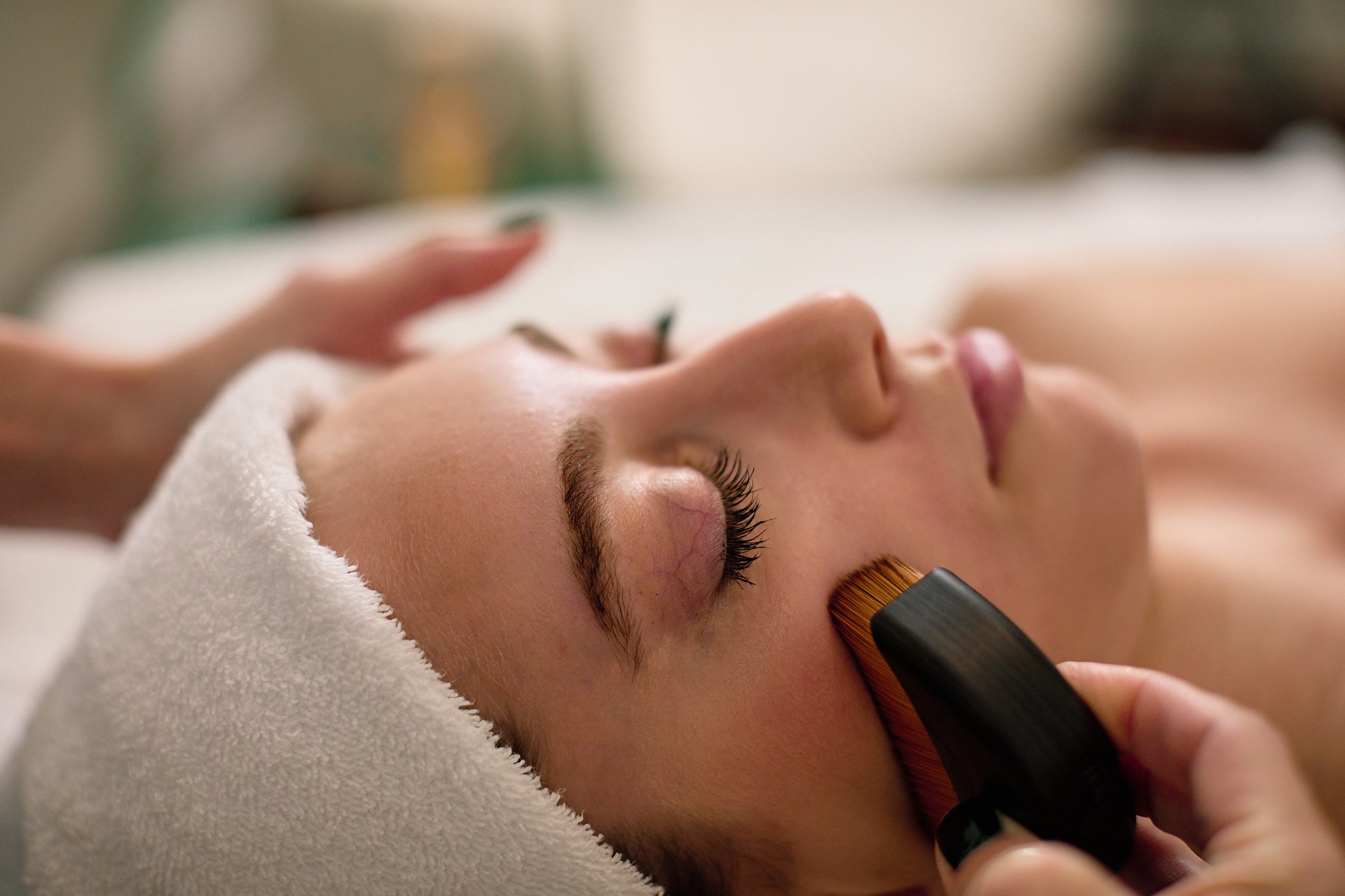

Care For Your Clients’ Brain Health With Our Glymphatic Drainage Training
Learn to release the jaw, neck, and cranial pathways that drain the brain, and how to create a trauma-informed practice, in one hands-on day. It builds on Level 1 and Functional Lymphatics, and we teach it in downtown Toronto, using the LINFA™ Method.
Why This Training Matters
Clients come to you with brain fog, headaches, poor sleep, and trouble concentrating. Some are living with the after-effects of a concussion, and some with years of chronic stress and inflammation.
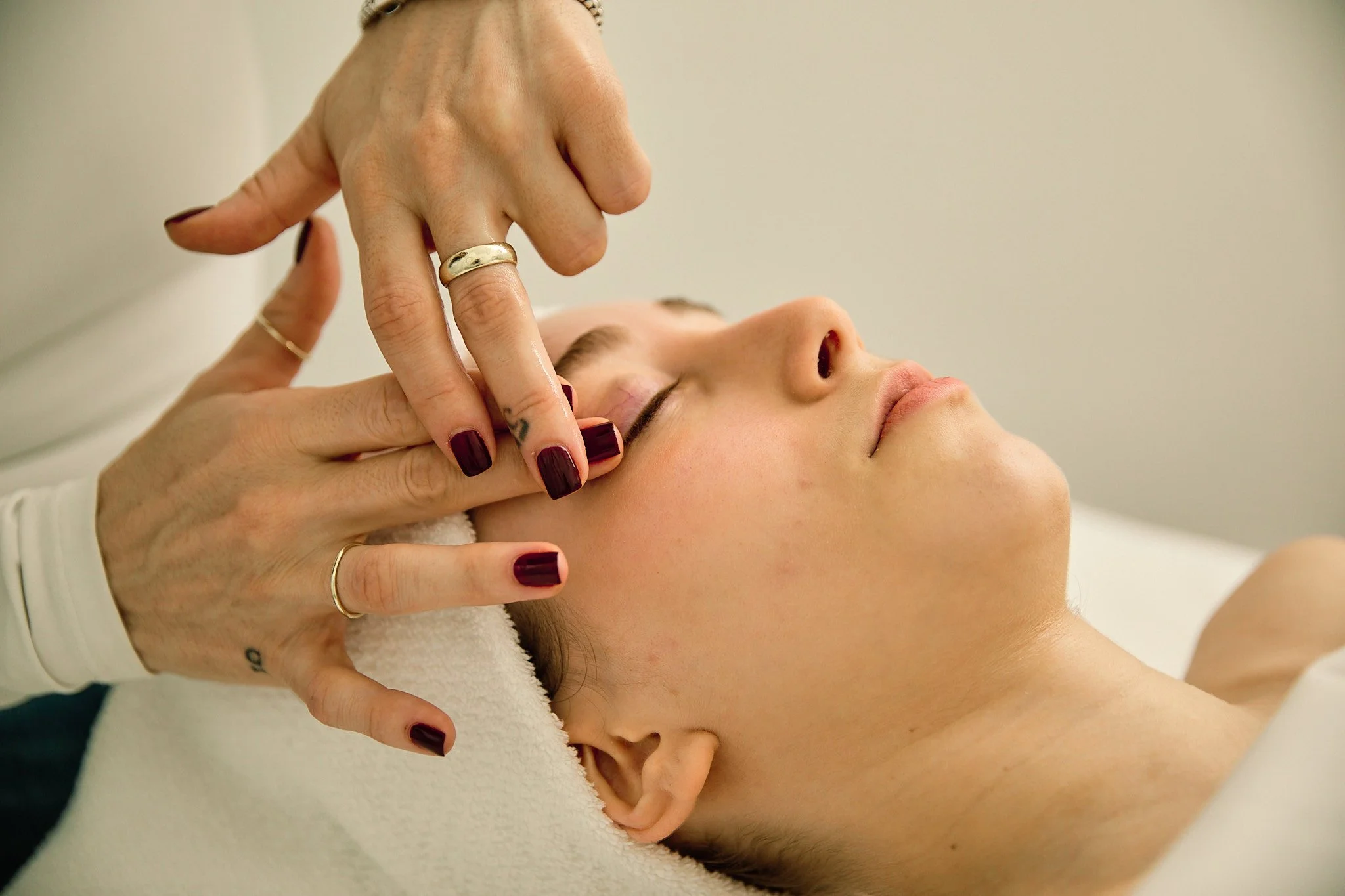
The brain clears its own waste through the glymphatic system, mostly during sleep, and the pathways that carry that waste out run through the jaw, the base of the skull, and the neck. This advanced course teaches you how the glymphatic system works, how to work with those pathways, and how to care for clients whose nervous systems are under strain.
Common challenges our students face:
A client’s headaches or brain fog keep returning, even after you’ve cleared the superficial lymph of the face and neck.
Clients ask whether lymphatic work can help with sleep, memory, or recovery after a concussion.
You work with people carrying unresolved trauma and aren’t sure how to talk with them about it, or how to hold the session safely for them and for yourself.
You’d like to explain the link between sleep, the nervous system, and brain health to a referring colleague.
What You’ll Learn in Glymphatics
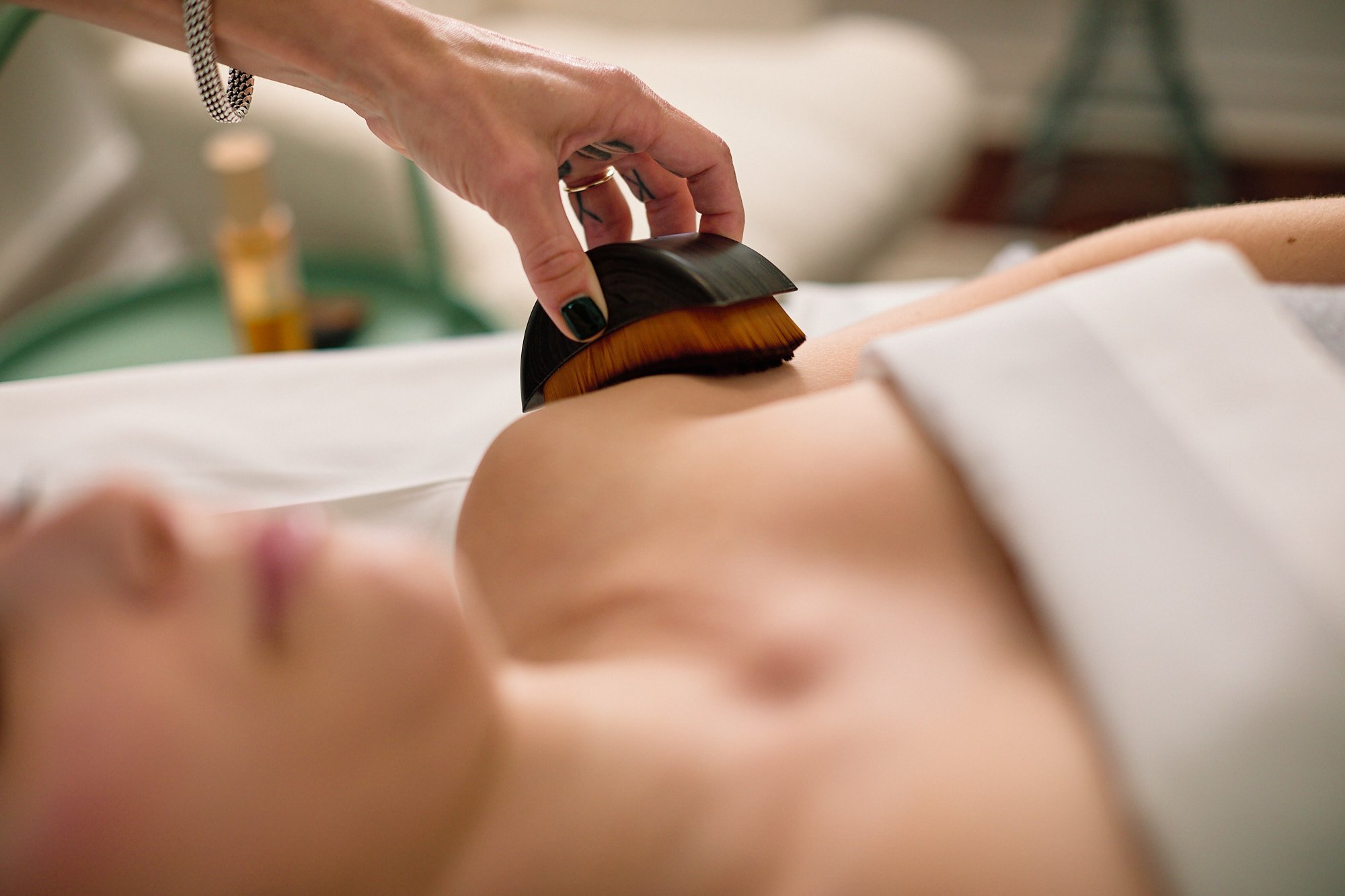
Our one-day advanced course starts with trauma-informed care and the physiology of the glymphatic system, then moves to manual sequences for the face, jaw, neck, and the structures inside the mouth. Before any hands-on work, you’ll regulate the client’s nervous system, as the LINFA™ Method requires.
In this hands-on course, you’ll learn:
How the glymphatic system works, what it transports, and when it does most of its work
How trauma presents in the body and changes how it functions
Assessment and release of the masseter, temporalis, and zygomatic arch
Intra-oral release around the pterygoid venous plexus
Cervical stretch, auricular pump, ocular nerve release, and cranial pump sequences
How to work with The Lymphatic Brush inside the protocol
How to build a trauma-informed intake and regulate yourself with a dysregulated client
The day also covers the factors that hinder glymphatic function, the best times of day to perform drainage, how to adapt the work for clients who are neurodivergent, and the connection between the central nervous system, the autonomic nervous system, and metabolic function. You’ll leave with a complete sequence and the reasoning behind each step.
What’s Covered Over the Day?
-
Untreated trauma, whether mental, emotional, or physical, narrows a person’s window of tolerance, the range of stress they can handle while staying steady, and many of these clients will find their way to your table. You’ll learn trauma-informed intake and onboarding, the types of trauma and how each shows up in the body, and safe co-regulation, which means using your own calm to help a client settle into rest and repair. You’ll also learn how to work alongside the somatic therapists some of your clients already see.
-
The glymphatic system is the brain’s own waste-clearance system: cerebrospinal fluid (CSF) moves through brain tissue, picks up metabolic waste, and carries it out toward the lymphatic vessels of the head and neck, mostly during deep sleep. You’ll learn what hinders it, when it’s most active, the best times of day to perform glymphatic drainage, and how to adapt the work for clients who are neurodivergent. You’ll also learn how the central nervous system, the autonomic nervous system, and metabolic function affect one another, so that when a client’s goal is better brain health, you know why settling their nervous system comes first and can explain it.
-
The jaw is the first hands-on sequence. You’ll learn to assess and palpate the masseter and temporalis, the two large chewing muscles, and the zygomatic arch, the cheekbone, and to release the nerves and drainage pathways beneath them. Clients who clench or grind hold a great deal of tension here.
-
You’ll learn to work inside the mouth around the pterygoid venous plexus, a web of veins deep behind the jaw, releasing the restrictions that block flow to and from the brain, and to do it in a way that keeps the client comfortable and feeling safe.
-
You’ll learn to work the tissue around the occipital bone, the base of the skull, and to encourage drainage from the brain down toward the thoracic duct and the right lymphatic duct, where it rejoins the lymphatic circulation of the rest of the body.
-
You’ll learn the auricular pump, which works the tissue around the mastoid bone, the bump behind each ear, and where it fits in the sequence. Opening this area makes room for blood flow to the dura, the membrane that covers the brain, and to the sinuses, and it’s an essential step in draining CSF.
-
You’ll learn to assess tension around the eyes and use the ocular nerve release to ease it and encourage fluid movement, for the clients whose stagnant fluid shows up as headaches, brain fog, and trouble with memory and concentration. The area is small and the touch is light, which is why it’s taught with an instructor watching your hands.
-
You’ll learn the cranial pump, which safely eases pressure around the skull and supports the drainage of CSF during sleep, when most of the brain’s waste clearance happens, and where it fits at the end of the hands-on sequence.
-
You’ll learn the fundamentals of polyvagal theory, a model of how the nervous system shifts between safety, alarm, and shutdown, and how different traumas present in the body. You’ll learn how to hold space for a client and stay regulated yourself when the person on your table is not. You’ll also build trauma-informed intake forms and learn the contraindications for certain brain presentations, when to ask for medical clearance, and the signs that mean you stop and refer. If you’re ever unsure whether a client is a good fit for this work, you can ask in the mentorship group.
-
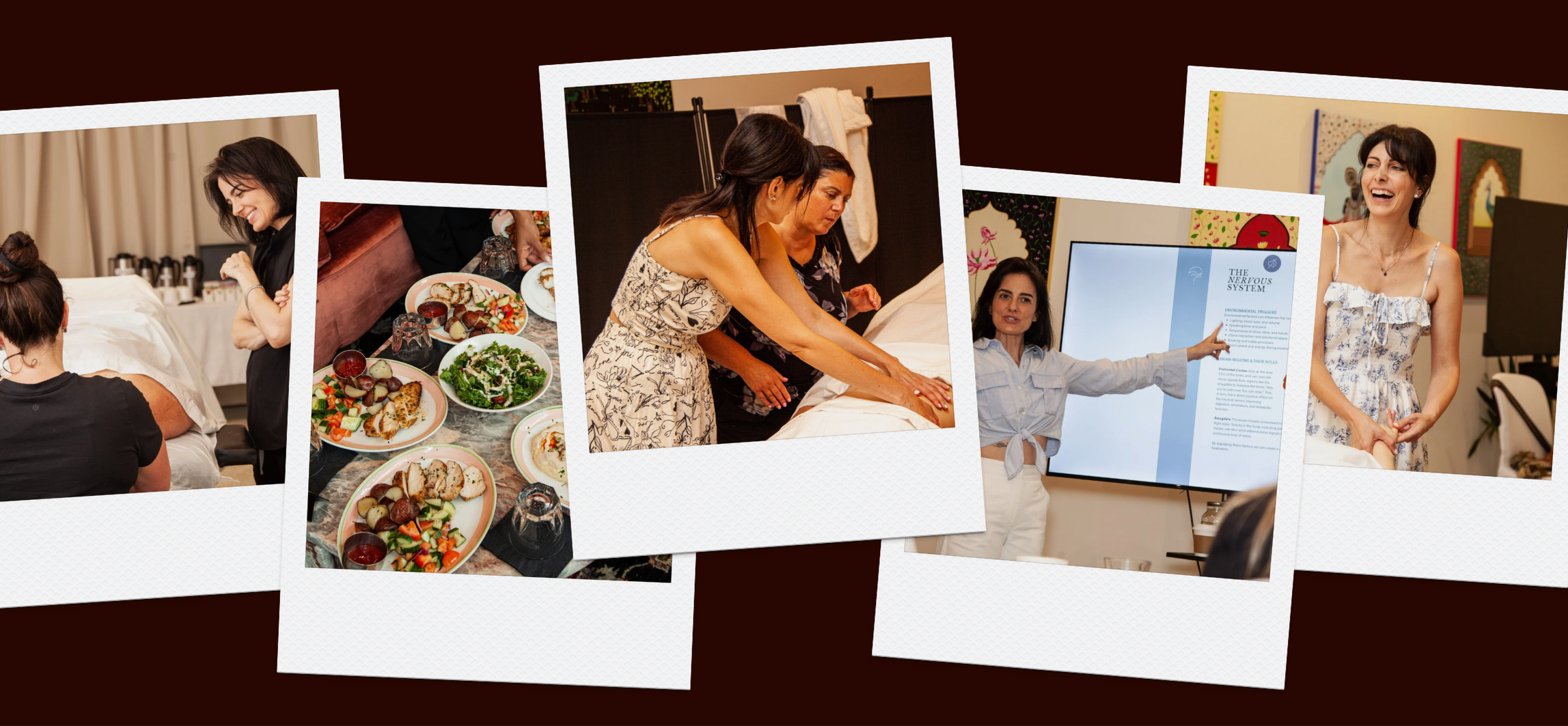
You’ll have access to our private mentorship group with the founders for support as you refine your glymphatic skills. Bring your questions by text, video, or voice note.
Who It’s For
We train practitioners who see clients with brain fog, headaches, and nervous systems under strain.
-
RMTs & Manual Therapists
Some of your regulars arrive with tension headaches, jaw clenching, or post-concussion symptoms that haven’t shifted with therapeutic massage. This course adds TMJ, intra-oral, and cranial sequences to your Level 1 and Functional Lymphatics skills, with the trauma-informed care to match.
-
Aestheticians & Spa Therapists
Clients who book facial lymphatic drainage often mention poor sleep, puffiness around the eyes, and brain fog. This course gives you sequences for the face, jaw, and neck that address the drainage pathways underneath, with nervous system regulation first.
-
Holistic Practitioners & Health Professionals
Naturopathic doctors, chiropractors, nurses, and nutritionists see patients with sleep complaints, mood changes, and lingering concussion symptoms. The sequences here can be added to a treatment plan or a clinic visit, and the trauma-informed intake fits the care you already give.
Your Lymphatic Training Pathway
Level 1 is the introduction, and Functional Lymphatics comes next. This course is the third of three one-day advanced courses, and it requires Functional Lymphatics first, because its sequences assume you can regulate the nervous system and work at depth responsibly. Peri-Op & Fascial Care, for surgical recovery, can come before or after it. Complete all four levels and you earn the Lymphatic Drainage Specialist Certificate. Level 1 graduates also have access to the Brazilian Lymphatic Drainage Certification and the LINFA™ Refinement Lab, and clinics in Ontario can book a private in-clinic course.
Bundle & Save
If you haven’t taken Level 1 yet, buying it with Glymphatics as a bundle costs less than taking them one at a time, and comes with a year of workshop discounts, including any online event we run. Level 1 graduates can bundle two or all three advanced courses on the same terms.
FAQs
-
Yes, as soon as you feel confident with the sequence. The day moves from demonstration to supervised hands-on work, so you leave having done each step yourself. If a client puzzles you afterward, bring the case to the mentorship group, and you’ll hear back within hours to days.
-
Brain tissue has no lymphatic vessels of its own, so waste leaves through the glymphatic system, out toward the lymphatic vessels of the head and neck. Those vessels drain into the lymphatic circulation of the rest of the body. That waste-clearance route is what glymphatic drainage means. Manual lymph drainage here means working on the pathways that carry fluid out, so the glymphatic system and the lymphatic circulation beneath it can do their work.
-
Researchers first described the glymphatic system in 2012, in studies in rodents, and its function is still an area of ongoing research. The liquid that does the work is cerebrospinal fluid (CSF). During the hours of deep sleep it moves through brain tissue, exchanges with the interstitial fluid between cells, and carries metabolic waste out. In animal studies, cerebrospinal fluid flow increases by up to 60% during slow wave sleep, the deepest stage of the night, and the space between cells opens by about the same amount. The system relies on specific biological mechanisms, and sleep is when they run. While we’re awake, it is up to 90% less active. Aging reduces how well the system works, high blood pressure slows it, and disrupted sleep can impair what people call brain detoxification. It plays a vital role in the health of the central nervous system and in overall health. Impaired glymphatic function has been linked in research to aging and to neurodegenerative disease, and effective clearance to clearer thinking when people wake. Clearance also removes the neurotoxic proteins associated with cognitive decline.
-
Not directly. The glymphatic system’s drainage cannot be mechanically forced the way superficial lymph can be moved with manual lymph drainage, because the fluid exchange happens inside the brain, mostly during sleep. Hands-on work addresses the outflow routes: the tissues around the jaw, the base of the skull, the mastoid, and the neck, where restrictions can slow drainage into the lymphatic system. It also settles the nervous system, which decides whether the client gets the rest they need at night. That is why regulation comes first in this course.
-
Most of it comes back to sleep. Lifestyle strategies that enhance glymphatic function generally involve improving sleep quality: going to bed at the same time, a dark room, and winding down in the hour before bed. Breathing exercises may positively influence glymphatic flow, and healthy blood pressure, good circulation, and vascular elasticity assist the system too. These are lifestyle conversations you can have with any client, and you’ll talk through the factors behind them in the Glymphatic System module. Our free 15-Minute Lymphatic Movement Framework is a good place to send them.
-
Side sleeping. In rodent studies, lateral sleeping was more efficient for glymphatic clearance than sleeping on the back or front, and sleeping on your side may enhance glymphatic flow in people too. It’s a simple change to suggest to a client who asks.
-
Magnesium may enhance glymphatic function indirectly, through better sleep, and intermittent fasting may improve glymphatic transport efficiency. Recommending either depends on your designation. If you’re a naturopathic doctor or nutritionist, it’s within your scope. If you’re an RMT or aesthetician, refer the client to their ND.
-
Movement, daily. The lymphatic system has no pump of its own. It moves when the tissues around it move, so a daily walk, diaphragmatic breathing, and gentle self-massage toward the lymph nodes all help. The free movement framework gives them 15 minutes a day to follow between treatments.
-
Whatever movement the client will do every day. Walking and swimming move the tissues around the lymphatic vessels. For the brain, regular cardiovascular exercise can enhance glymphatic clearance, and physical activity may change how the system works by changing cerebral blood flow. In animal research, exercise increased glymphatic flow and the clearance of beta-amyloid. You’ll learn the physiology so you can explain to a client why movement matters.
-
In Ontario, lymphatic drainage isn’t a regulated modality, so there’s no government licence, and no certification is required by law. Each school sets its own entry requirements. At Toronto Lymphatic Academy, this course requires Level 1 and Functional Lymphatics, because every sequence here assumes you can regulate the nervous system and clear superficial and deep lymph. Level 1 has no prerequisite, and its classes run most months.
-
At Toronto Lymphatic Academy, Level 1 is two days, and you’re certified when you complete it. The Lymphatic Drainage Specialist Certificate takes five days of in-person study in total: Level 1 and the three advanced courses, including this one. You can take them close together or spread them out and keep treating in between. In Ontario, the title “massage therapist” is protected, so if you aren’t an RMT, describe the service in terms your designation allows.
-
Some lymphatic schools offer online or hybrid classes with a digital certificate. We teach in person, because manual lymph drainage is learned through the hands, and the sequences in this course, inside the mouth and around the eyes, need an instructor watching. If you’d like an introduction to our teaching first, the free 15-Minute Lymphatic Movement Framework is online.
-
No. A certified lymphedema therapist treats lymphedema, long-term swelling that needs medical management, and trains in Complete Decongestive Therapy through specialized lymphedema therapy programs. Our pathway is built for the wellness, chronic inflammation, and post-surgical clients most of our graduates see. What you learn here about the lymphatic and nervous systems carries over if you go on to lymphedema work later.
-
No. The usual contraindications for lymphatic work apply, including acute infections and active blood clots, and brain presentations add their own. Some of the patients who come for this work are managing sleep disorders, mood disorders, or a recent head injury under a physician’s care. The Building a Trauma-Informed Practice module goes through when to ask for medical clearance and the signs of risk that mean you stop and refer.
-
Our two founders teach every class of this course together. Thaís R. Álvs began her lymphatic education in Brazil in 2018 under Renata França and later trained at Dr. Vodder’s International School and the Academy of Lymphatic Studies. Her work with patients includes oncology, fertility, pregnancy, and surgical recovery. Cassandra Hope is a Registered Holistic Nutritionist and Certified Lymphatic Specialist with more than twenty years in practice, focused on gut health, brain health, and post-concussive care. They developed the LINFA™ Method over many years of clinical work, and both keep private practices at Longév Clinic, the Academy’s home.
-
Tuition is $1,788 plus HST, including lunch. Klarna payment plans are available at checkout, and Klarna sets the eligibility and terms. The Lymphatic Brush: Large & Small combo set is bought separately before class. If you haven’t taken Level 1 yet, a bundle of both costs less than buying them separately.
-
If you seek continuing education credits for this course, check with your college, association, or state board before you register. Each one sets its own rules about whether a one-day seminar counts and how many CEU hours it earns, and confirming eligibility remains attendees’ responsibility. You’ll receive a certificate when you complete the course, which you can submit with your CEU application.
-
Review your Functional Lymphatics notes and your Level 1 face and neck protocol, because the day builds on both. Pre-purchase The Lymphatic Brush: Large & Small combo set and bring it with you. If you have long nails, please trim them before class, since the work is hands-on.
-
Hotel Victoria is at 56 Yonge Street, less than a 10-minute walk from Union Station, so it’s easy to reach by train or GO Transit. The subway is steps away. If you’re driving, there are several paid lots and some street parking nearby. We recommend arriving 15 to 20 minutes early to find a spot.
-
Yes. There’s a one-hour lunch break, and Hotel Victoria provides a healthy meal. Contact us about any dietary restrictions when you sign up.
-
Wear comfortable clothes you can move in. You and the other participants will take turns working on each other. We’ll email you before class if you need to bring anything besides the brush.
-
Many participants travel from across Ontario and Canada for our classes. If you’re one of them, you may be eligible for a special rate at Hotel Victoria, our venue, instead of the public rate at the time of booking. We’ll email registered students the booking details.

What our alumni have said…
Ready to add glymphatic drainage to your services?
This course gives you a day of hands-on work on the head, neck, and jaw, the physiology of the glymphatic system, and support from the founders in a mentorship group once you’ve finished.
Prerequisite
Level 1 Foundation MLD Training
Please pre-purchase The Lymphatic Brush: Large & Small combo set in advance.
Content Delivery
In person at Hotel Victoria,
56 Yonge St, Toronto, ON M5E 1G5
PAYMENT METHODS


In-Person Training: 1 day, 10 am - 6 pm
About This Course
Help clients dealing with brain fog, memory issues, stress, and nervous system dysregulation through glymphatic drainage. This hands-on course teaches you to encourage fluid drainage from the brain and spinal cord with MLD-based protocols and fascial techniques for the face, neck, and intra-oral structures. Trauma-informed care runs through the day, with manual sequences that ease stagnation and inflammation and help clients reach deeper parasympathetic states.
At Toronto Lymphatic Academy, Level 1 is required before any advanced course. For Glymphatics, you also need to have completed Functional Lymphatics.
Required Tool: Please pre-purchase The Lymphatic Brush: Large & Small combo set in advance.
Payment Plans
Flexible payment options are available through Klarna at checkout. Simply select Klarna to view the payment options available to you. Eligibility, payment terms, and any applicable interest are determined by Klarna.