

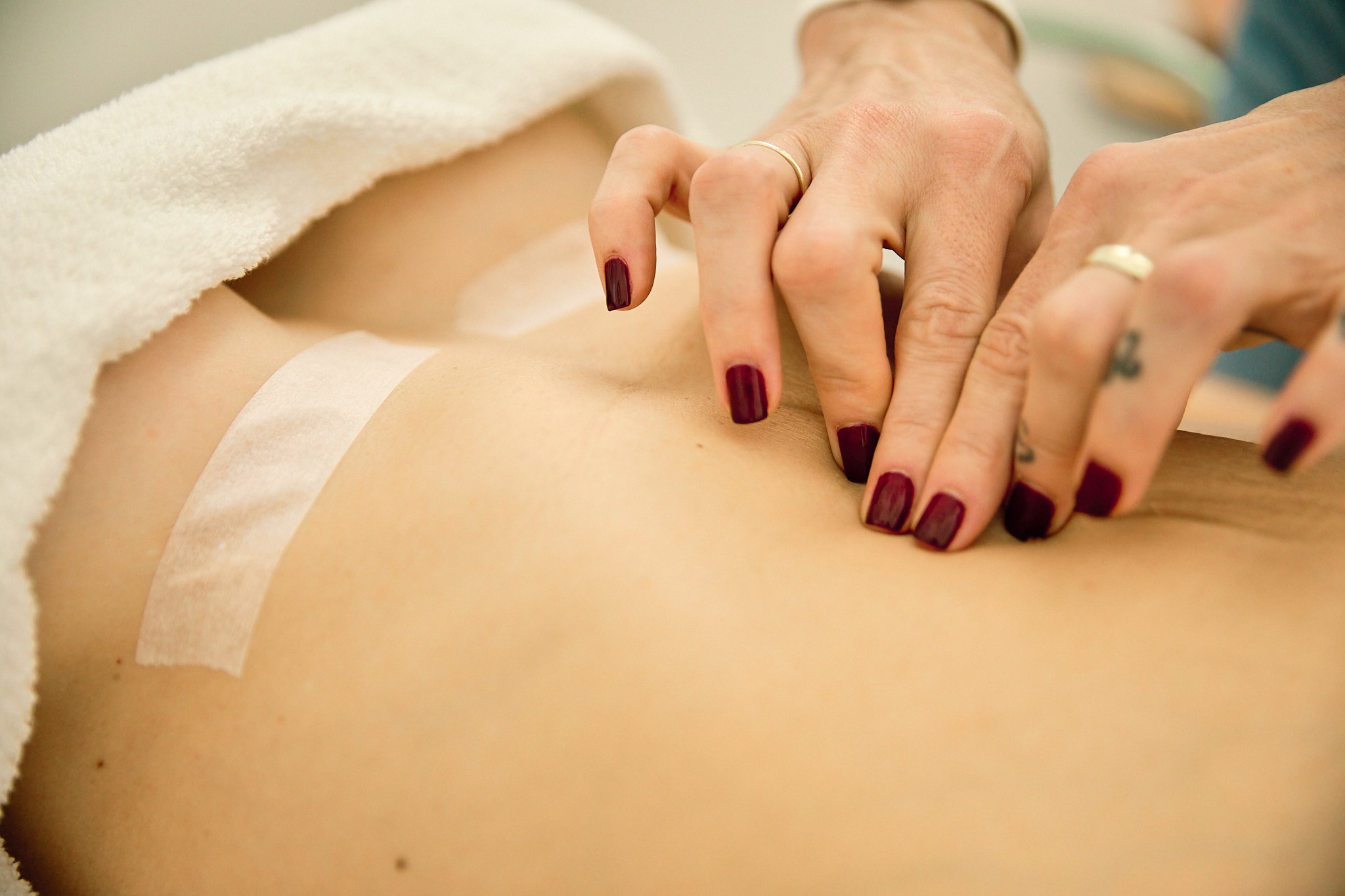

Support Clients Before And After Surgery With Our Perioperative Lymphatic Drainage Training
Learn fascial release and manual lymphatic drainage (MLD) for clients before and after surgery, in one day of hands-on training. It builds on Level 1, and we teach it in downtown Toronto, using the LINFA™ Method.
Why This Training Matters
More of your clients and patients are getting ready for surgery or recovering from it, from C-sections and hip replacements to tummy tucks and breast augmentation. Surgery disrupts the body’s local lymphatic pathways, and the fluid that collects can contribute to swelling while the body heals.
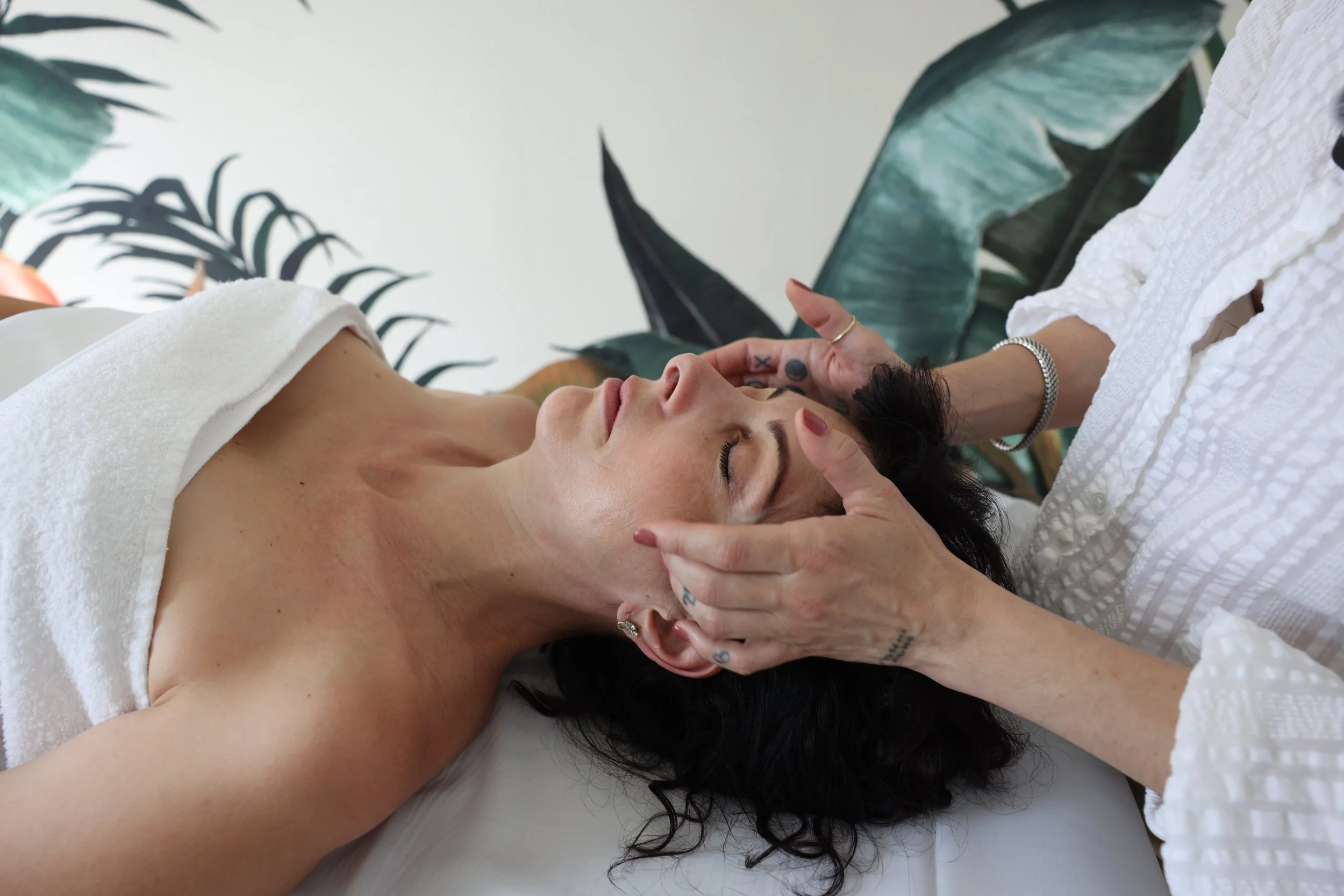
The foundation course showed you how to adapt manual lymphatic drainage for peri- and post-op patients (i.e. before and after surgery). This course takes the LINFA™ Method further, at every stage from the week before an operation until recovery is complete.
Common challenges our students face:
A client has surgery booked and asks whether you can help before and after.
You’d like a better way of addressing scars or adhesions that seem to be slowing a patient’s recovery.
Patients come to you after cosmetic surgery, and you want to understand the condition they’re in after the procedure.
You’re not sure what to say to a client who feels sensitive about their body or their surgery.
What You’ll Learn in Peri-Op & Fascial Care
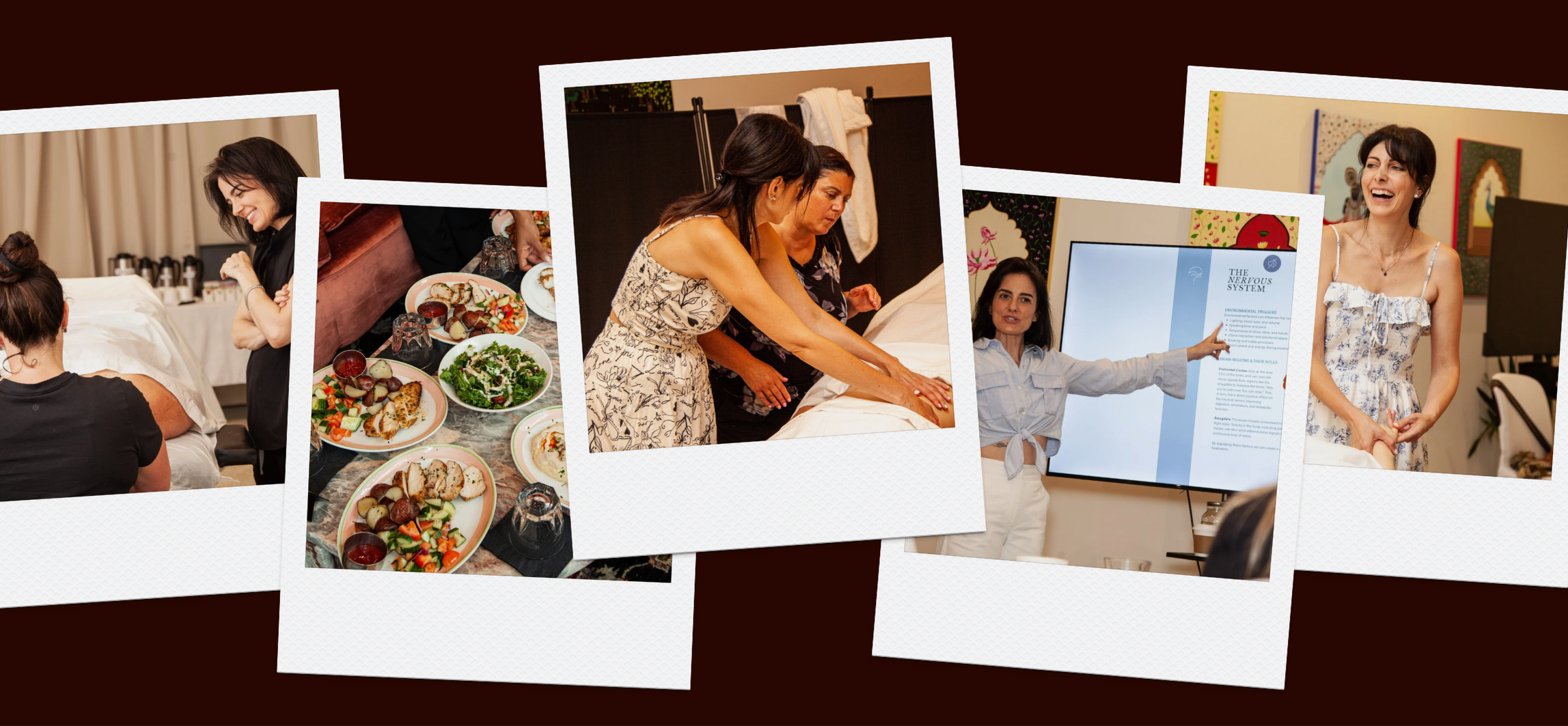
Our one-day advanced course is designed to bridge theory and practice. You’ll learn the science behind the body’s nervous, fascial, and lymphatic systems and the skills to guide patients through care before and after surgery. Before any hands-on work, you’ll regulate the nervous system, as the LINFA™ Method requires.
In this hands-on training, you’ll learn:
Fascial theory and release techniques
Fascia’s role in organ health, pain management, fluid movement, and recovery
How the body heals after surgery and how scars form
How to work with scars of different types
Fascia and drainage care before and after surgery
Protocols for cosmetic and non-cosmetic procedures
How to recognize language that could upset or trigger a client
What’s Covered Over the Day?
-
You’ll learn the anatomy of fascia, the connective tissue that wraps and links every structure in the body, in its three layers (superficial, deep, and visceral), and its role in support, fluid regulation, nerve signalling, pain, and recovery. You’ll come away understanding why the condition of a client’s fascia shapes how well they drain and heal after surgery, and why this course treats it alongside the lymphatic system.
-
Fascia is about two-thirds water and behaves like a sponge, shifting fluid with movement, breath, and outside pressure. Around surgery, inflammation, long periods of stillness, and tight compression can reduce that mobility and leave tissue congested and unable to glide. You’ll learn how gentle, surgeon-approved movement and diaphragmatic breathing restore the pressure differences that move fluid, so you can support lymphatic and venous return in a client who can’t yet move much.
-
Fascia is a sensory tissue, dense with receptors that monitor the body’s internal state and connected to the pathways involved in vagal regulation. You’ll learn why a client’s emotional state can show up under your hands, and how diaphragmatic breathing and fascial decompression of the abdomen and chest help a client shift into the rest-and-repair state. For someone sensitive about their body or anxious about their surgery, that skill is part of the treatment.
-
This is the hands-on fascial module. You’ll learn superficial techniques that improve fluid exchange, restore mobility between tissue layers, and build the client’s awareness of their own body, paced for tissue that is sensitive, swollen, and forming scar. You’ll also learn how bands and foam rollers can support fascial decompression, mainly in preparation before surgery. Your instructors demonstrate each technique, and then you practise giving and receiving it.
-
You’ll learn how tissue heals after surgery, how scars form, and how to work with scars of different types. On the post-op side, you’ll learn to redirect edema, mobilize trapped fluid, and clear the inflammatory by-products that prolong swelling, which also reduces bruising, lowers the likelihood of fibrotic or nodular scarring, and supports sound collagen remodelling as the scar matures. On the pre-op side, you’ll learn to prepare a client’s body for the stress of an operation with MLD, slow breath-led movement, and tool-based release.
-
You’ll learn protocols for the procedures you’re most likely to see, from tummy tucks, liposuction, and breast augmentation to C-sections, hip replacements, and explants, including en bloc, with attention to pressure and comfort for each. You’ll also learn the guidelines for treating a client while temporary drains are still in place. Removing, adjusting, or emptying drains stays with nursing and surgical staff, and diagnosis and medical outcomes stay with the surgical team.
-
You’ll learn the common ways tissue responds to surgery, the early warning signs that change how you pace a session, position a client, and choose a technique, and the point at which you send a client back to their surgeon. The aim is clinical awareness, so you can work with the right caution and timing. If you’re ever unsure about what you’re seeing, you can ask in the mentorship group.
-
A recent post-op client may need extra time to get on and off the table, remove and reapply compression garments, and find a comfortable position, so a standard full-body session isn’t always realistic. You’ll learn to prioritize the central regions, the termini, the thoracic intercostals, the axillary nodes, the arms, and the abdomen, so drainage keeps moving even in a shorter session, and to help with compression garments with the client’s consent.
-
You’ll have access to our private mentorship group with the founders for support as you refine your perioperative and fascial skills. Bring your questions by text, video, or voice note.
Who It’s For
We train practitioners who support clients before and after surgery.
-
RMTs & Manual Therapists
Your patients may come to you after a hip replacement or a C-section, or while they get ready for one. Expanding your treatments into fascial release and perioperative MLD means you can keep seeing those patients at each stage of recovery.
-
Aestheticians & Spa Therapists
Clients recovering from a tummy tuck, liposuction, or breast augmentation often ask for lymphatic drainage by name. If you’re expanding your spa or wellness menu into post-op lymphatic therapy, you’ll learn how their body heals and how to work with their scars.
-
Holistic Practitioners & Health Professionals
Naturopathic doctors, nurses, chiropractors, and nutritionists often support patients through surgery and whatever condition led to it. This course is designed to add hands-on fascial and manual lymphatic drainage skills to the treatments you give patients in clinic, so a single visit can do more.
Your Lymphatic Training Pathway
This course is one of three one-day advanced programs that follow Level 1, and all three use the LINFA™ Method. The other two are Functional Lymphatics, for deep lymph and chronic inflammation, and Glymphatics, for the brain and spinal cord, including trauma-informed care. You can complete them in any order, except that Glymphatics comes after Functional Lymphatics, and you can keep treating patients in between. Complete all four levels, and together they lead to the Lymphatic Drainage Specialist Certificate. Foundation graduates also have access to the Brazilian Lymphatic Drainage Certification and the LINFA™ Refinement Lab, and clinics in Ontario can book private in-clinic training. For practitioners expanding their careers, MLD training can lead to new opportunities.
Bundle & Save
If you still need Level 1, buying it with this course as a bundle costs less than taking them one at a time, and comes with a year of workshop discounts. Alumni who want to complete the pathway can bundle two or all three advanced courses on the same terms. Bigger bundles increase the workshop discount, and you can view every option at the link below.
FAQs
-
Yes, you can start treatments with patients as soon as you feel confident with the steps. The founders, who co-teach every class, lead the demonstrations, and then you complete each technique yourself under supervision. By the end of the day, you’ll have used each of your new skills with your own hands. If a presentation puzzles you afterward, bring the case and your assessment to the mentorship group.
-
The foundation course teaches manual lymphatic drainage for the full body, face, and neck, and how to adapt treatments for post-op patients, which sets the base for this day. Both use the LINFA™ Method. The main difference is that this course focuses on surgery and recovery. You’ll study fascia, healing, and scar formation, and learn fascial release for addressing the adhesions that contribute to poor drainage. You’ll also learn a complete protocol for patients having each type of procedure, before and after the operation.
-
“Perioperative” means the period around surgery, before and after. Our method puts strong emphasis on nervous system regulation and fascia, because the nervous system, fascia, and lymphatic system all play a role in immune function, recovery, and healing. Surgical trauma disrupts the local lymphatic pathways, which can lead to fluid retention, and limited movement during recovery can increase it. Healing varies with the stage of recovery, age, general health, medications, and any other medical condition, so every presentation is different. Manual lymphatic drainage treatments are gentle and non-invasive, and they can help patients by reducing swelling caused by surgery and supporting healing. After cosmetic surgery, patients often book 6 to 10 MLD treatments.
-
No. Contraindications for manual lymphatic drainage include active infections, active blood clots, and any medical condition that makes lymphatic work unsafe. For some patients, depending on their condition and medications, a physician’s assessment and clearance are required before treatments begin, and the surgeon sets the timeline. After the course, if you’re unsure about your assessment of a particular case, ask in the mentorship group.
-
In Ontario, manual lymphatic drainage isn’t a regulated modality, so no license is required, and each school sets its own entry requirements. Certification still makes a difference in lymphatic therapy, especially with surgical patients. It shows you understand lymphatic anatomy and pathology, which can increase your credibility with patients and referring practitioners, and some liability insurers ask for proof of training before they cover lymphatic treatments. At Toronto Lymphatic Academy, Level 1 Foundation MLD Training is required before this course. It has no prerequisite and runs most months.
-
Not directly. Lymphedema is a long-term condition that needs medical assessment and management. It’s often caused by cancer treatment or by surgery that removed or damaged lymph nodes. Certified lymphedema therapists train in complete decongestive therapy, also called complex decongestive therapy, a lymphedema treatment that combines lymphatic drainage techniques with compression, exercise, and skin care. Each program sets its own entry requirements, and many look for licensed or regulated health professionals.
This course is designed for addressing surgical recovery and the short-term swelling caused by surgery, and that’s the difference from lymphedema training. If you go on to it later, what you learn here gives you useful groundwork.
-
Visit our free 15-Minute Lymphatic Movement Framework, a set of short guided videos with a practitioner guide. Our articles explain the lymphatic system, manual lymphatic drainage (MLD), and the reasoning behind our method, and our email list announces new trainings and articles. For hands-on skills, you need to learn in person.
-
Our co-founders, Thaís R. Álvs and Cassandra Hope, developed the LINFA™ Method together. You’ll meet both of them, since they’re the co-lead facilitators for every class. Thaís began her lymphatic training in Brazil in 2018 under Renata França. She holds certifications with Joana Medrado in post-operative care and Nany Mota in fibrosis management, and later trained at Dr. Vodder’s International School and the Academy of Lymphatic Studies. Her work with patients includes oncology, fertility, pregnancy, and surgical recovery. Cassandra is a Registered Holistic Nutritionist and Certified Lymphatic Specialist with more than twenty years in practice, focused on gut health, brain health, and post-concussive care. Both keep private practices at Longév Clinic, the Academy’s home, and they co-founded the Academy in 2023 with Dr. Kate McLaird ND and Dr. Nadine Khoury ND.
-
Lunch is included in the tuition of $1,788 plus HST. You can view Klarna payment plans at checkout, and Klarna sets the eligibility and terms. If you haven’t taken the foundation course yet, a bundle of both courses costs less than buying them separately.
-
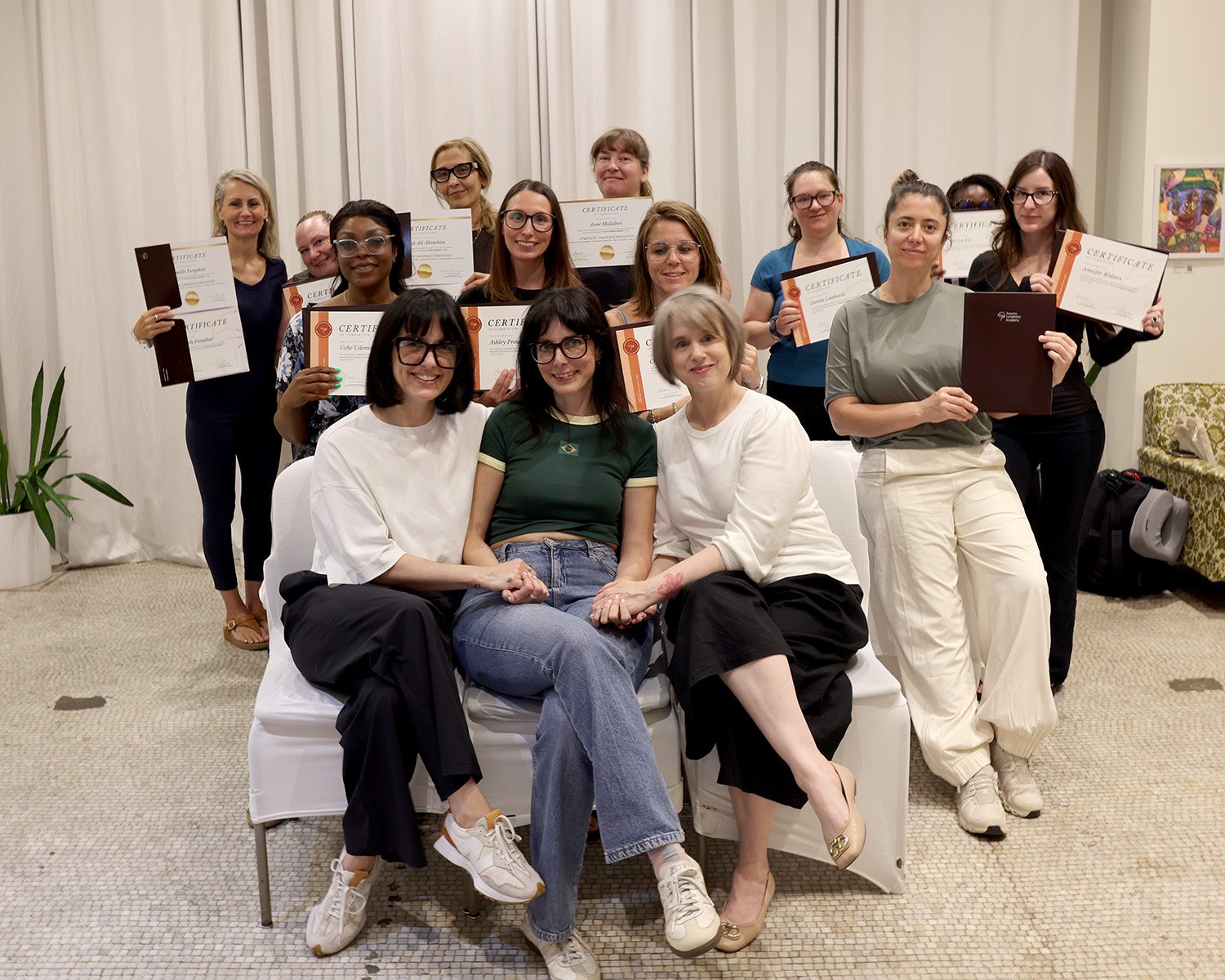
Each college or association determines its own rules for continuing education credits, so check with yours before you register. You’ll get a certificate when you complete the course.
-
Since Level 1 is required for this course, complete a quick review of your foundation notes, especially how the LINFA™ Method adapts for post-op patients. If you have long nails, please trim them before class, since the work is hands-on.
-
Hotel Victoria is at 56 Yonge Street, less than a 10-minute walk from Union Station, so you can get there easily by train or GO Transit. The subway is steps away. If you’re driving, there are several paid lots and some street parking nearby. Plan to arrive 15 to 20 minutes early to find a spot.
-
Yes. Lunch is included, with a one-hour break, and Hotel Victoria provides a healthy meal. It’s a good chance to meet the other practitioners in your class. Let us know about any dietary restrictions when you complete your registration.
-
Wear comfortable clothes you can move in. The day includes hands-on practice and slow, full-body movement sequences. We’ll email you before class if you need to bring anything.
-
Many participants travel from across Ontario and Canada for our courses. If you’re one of them, you may be eligible for a special rate at Hotel Victoria, our training venue, instead of the public rate when you book. We’ll email registered students the booking details.

What our alumni have said…
Ready to add perioperative care to your practice?
This course gives you a day of hands-on fascial and surgical recovery skills and the reasoning behind each technique in our method. Graduation is just the beginning, and our support doesn’t end when class does.
Prerequisite
Level 1 Foundation MLD Training
Content Delivery
In person at Hotel Victoria,
56 Yonge St, Toronto, ON M5E 1G5
PAYMENT METHODS

In-Person Training: 1 day, 10 am - 6 pm
About This Course
Learn how to support clients recovering from surgery, whether a tummy tuck, breast augmentation, liposuction, or C-section. Fascial release techniques address the adhesions that can get in the way of drainage and healing, and the course pairs fascial care with MLD-focused protocols to support scar healing and recovery.
Level 1 Foundation MLD Training is required before any of our advanced programs at Toronto Lymphatic Academy, so you’ll need to complete it first. This course can come before or after Functional Lymphatics.
Payment Plans
Flexible payment options are available through Klarna at checkout. Simply select Klarna to view the payment options available to you. Eligibility, payment terms, and any applicable interest are determined by Klarna.